


Description
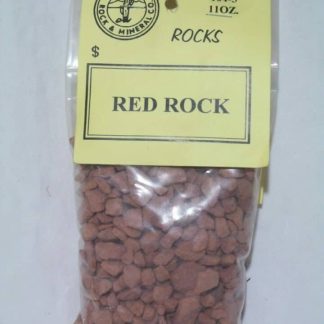
1045 LBS Sedona Red Rocks for Model Railroad Scenery
Introduction to Sedona Red Rocks
1045 LBS Sedona Red Rocks capture the dramatic desert scenery of Arizona in scale form. These natural stones are screened to size, making them perfect for creating rugged terrain features. Their rich reddish color mirrors the iron-rich sandstone cliffs of Sedona, offering modelers a way to bring true Southwestern beauty to their layouts.
Why Choose Sedona Red Rocks
Modelers choose Sedona Red Rocks because they provide both texture and authenticity. Unlike artificial scenery materials, these rocks are naturally weathered and shaped. Their unique red tone adds instant character, whether used as canyon walls, embankments, or boulders near tracks. This makes them ideal for creating scenery that looks both realistic and region-specific.
Historical Inspiration from Sedona Red Rocks
The Sedona region is world-famous for its brilliant red sandstone formations. Railroads such as the Atchison, Topeka & Santa Fe ran through areas with similar geology. Using Sedona Red Rocks allows modelers to recreate the kind of rugged rail corridors seen throughout Arizona and New Mexico. These rocks represent the dramatic terrain that challenged railroads and shaped their routes.
Applications for Sedona Red Rocks
Sedona Red Rocks are versatile and can be used for:
- Cliff faces and canyon walls.
- Trackside embankments.
- Rock outcroppings in desert scenes.
- Creek and riverbank detail.
- Transition areas blending with sand and powder.
Their natural size variation makes them ideal for both stand-alone scenery pieces and blended ground textures.
How to Apply Sedona Red Rocks
Arrange rocks by hand to create realistic formations. Use scenic glue or diluted matte medium to secure them in place. For cliff faces, stack and layer rocks to form strata. Around tracks, position them as fallen debris or retaining walls. Mixing them with Sedona Red Sand & Gravel or Powder ensures smooth scenic transitions.
Blending with Other Materials
Sedona Red Rocks blend seamlessly with tan, gray, and black scenery materials. Pairing with Sedona Red Powder creates natural bases for cliffs. Adding Sedona Red Sand & Gravel around their edges replicates erosion and wash deposits. For vegetation, desert plants like cactus, sagebrush, or tumbleweeds enhance realism.
Instructions for Storage and Long-Term Use
To keep Sedona Red Rocks in good condition, store them in a sealed bag or container. Because they are natural stone, they are stable and long-lasting. Avoid direct sunlight to prevent degradation of packaging over time. Many modelers purchase multiple bags to ensure consistent color and texture throughout large projects. Slight natural variations between bags add realism when blended together.
Tips for Realistic Scenery
- Layer rocks to create depth in cliffs.
- Combine large and small pieces for erosion detail.
- Add powder for dust at rock bases.
- Use along trackside for fallen rock hazards.
- Place near water features for desert canyon realism.
Scale Compatibility
Sedona Red Rocks are suitable for all scales. In N scale, they make dramatic cliff walls or oversized boulders. In HO scale, they fit naturally as medium outcroppings or canyon features. For O and G scale, they serve as realistic large rocks and terrain anchors.
The Role of Sedona Red Rocks in Model Railroading
These rocks serve as more than decorative pieces—they root layouts in a specific place and time. Railroads running through Sedona-like landscapes had to contend with steep cuts, eroded cliffs, and unstable slopes. Using Sedona Red Rocks recreates that sense of rugged terrain and operational challenge.
Conclusion
Sedona Red Rocks bring the Southwest into scale model railroading. With their natural color, texture, and variation, they create striking scenery features that add realism and storytelling potential. Whether used for canyon walls, trackside embankments, or desert landscapes, these all natural model railroad rocks are a vital addition to any layout.


Reviews
There are no reviews yet