
Description
Introduction to Pit Run Sand & Gravel
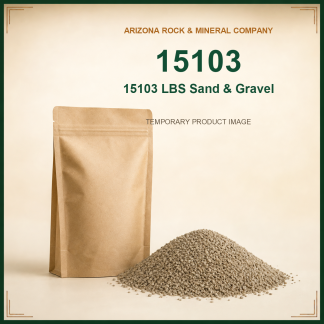
15103 Bag Pit Run Sand & Gravel is a versatile product designed for realistic model railroad scenery. It captures the natural look of mixed terrain and provides excellent texture for any scale. Many modelers use it to replicate trackside areas, service yards, riverbeds, and desert roads. Because Pit Run Sand & Gravel is sourced from authentic material, it delivers unmatched realism compared to synthetic scenery products. The mixture includes small sand-like grains with larger gravel pieces, producing a balanced effect. This product works especially well when blended with other Arizona Rock & Mineral scenery materials for layered results.
Transitioning between textures on a layout is always important, and this sand and gravel makes the process simple. Modelers can use it as a standalone ground cover or combine it with ballast and powders for depth. Each bag contains carefully screened material sized to fit multiple scales, making it suitable for N scale, HO scale, and O scale layouts.
Key Features of Pit Run Sand & Gravel
The 15103 Bag Pit Run Sand & Gravel offers a natural blend of fine sand and coarse particles. This mix helps create an authentic look for model railroads. Unlike uniform ballast, which covers track consistently, Pit Run adds variation and character to layout surfaces. It has subtle shifts in color tones, mimicking natural deposits found around railroads.
Another key advantage is versatility. Modelers can spread the product thin for a dusty, sand-like surface, or apply thicker layers for a gravel roadbed effect. Because it is actual crushed rock, it holds color and texture permanently. Paint and weathering powders adhere well, and glue bonding keeps the material firmly in place. Many hobbyists prefer it to foam-based scenery because of its weight, natural appearance, and durability.
Additionally, Pit Run Sand & Gravel is compatible with all major modeling scales. For N scale sand and gravel, it works as trackside fill or road base. In HO scale, the product becomes excellent railroad scenery gravel for yards and service areas. In O scale, the larger appearance fits industrial areas, parking lots, or even desert road surfaces.
Using Sand for Model Railroads
Applying sand and gravel correctly ensures lasting results. Begin by preparing the layout surface with a thin coat of white glue or matte medium. Spread the Pit Run Sand & Gravel evenly, tapping gently to settle it in place. Once satisfied, mist the surface with water and add diluted glue for permanent bonding.
For trackside areas, modelers often mix this product with standard ballast. The result is a weathered, irregular look that reflects real railroads. Desert layouts also benefit, since this material mimics dry riverbeds, washes, and service paths. In yards, scattering sand and gravel around structures produces authentic detail. Transition zones between grass, dirt, and ballast appear more natural with a thin layer of gravel.
Another advantage is flexibility with paint and weathering. After securing the material, dry brushing with earth tones can add depth. Airbrushing helps create oil stains, track grime, or dusted effects. Because the product is porous, it holds pigment well without fading. Modelers seeking realism appreciate how quickly it integrates into larger scenery themes.
Gravel for Model Trains and Trackside
Gravel appears in many real railroad environments. Sidings, maintenance yards, industrial zones, and loading areas all feature gravel surfaces. The 15103 Bag Pit Run Sand & Gravel provides an easy way to reproduce those scenes. The slightly irregular particle size creates visual interest and breaks up uniform textures.
For trackside modeling, apply a narrow strip along the shoulders of the ballast. This simulates areas where maintenance crews placed gravel for walking paths or drainage. In service yards, a thicker application conveys heavy use, with machinery and workers moving across uneven ground. Combining gravel with powders and static grass also produces convincing scenes of neglected or rural rail lines.
Because Pit Run Sand & Gravel includes fine sand, it naturally blends into transitions. This prevents harsh edges and allows realistic layering with other scenery products. Modelers working on desert or western railroads especially benefit, since gravel roads and washes are common.
HO Scale Sand and Gravel Applications
HO scale remains one of the most popular modeling sizes, and this product fits it perfectly. HO scale sand and gravel is ideal for yards, parking areas, and unpaved roads. When combined with HO scale ballast, it creates depth around mainline and branchline tracks.
One common use is simulating industrial areas. Many HO layouts feature factories, warehouses, and depots. These sites often sit on uneven gravel pads, which Pit Run replicates well. Another application is around maintenance-of-way equipment. Spreading sand and gravel under tie piles, tool sheds, and service cars builds a convincing worksite.
HO modelers also use this product for loading docks and freight yards. Gravel fills empty spaces between tracks, giving a rough surface for vehicles. Because the scale allows for greater detail, mixing in small debris, barrels, or weeds enhances the realism further.
N Scale Sand and Gravel Applications
N scale modelers often seek materials fine enough to appear natural. The 15103 Bag Pit Run Sand & Gravel works well in this regard. While some particles appear larger, careful application creates believable textures. For N scale train track scenery, use thin layers as service yard ground cover.
Another excellent application is roadway detail. N scale gravel roads benefit from this product because of its blended size. Applied thinly, it creates the illusion of a smooth dirt road surface. Along tracks, it can simulate washouts or drainage ditches filled with sand and stones.
Because of N scale’s small size, blending with powders enhances results. Many modelers mix the gravel with natural soil powders to achieve layered textures. Static grass tufts or weeds emerging through the gravel further improve authenticity.
O Scale Sand and Gravel Applications
O scale layouts allow for bold scenery choices. The 15103 Bag Pit Run Sand & Gravel stands out in larger scales because of its visible particle size. O scale sand and gravel can represent service roads, parking lots, or even quarry surfaces.
Many O scale modelers use it for industrial themes. Gravel yards surrounding steel mills, lumber plants, or depots gain a realistic touch. The larger grains highlight textures and shadows, making scenes visually engaging. Another popular use is for construction sites. Spreading gravel around equipment or unfinished structures makes them feel alive and authentic.
O scale modelers also benefit from combining this material with rocks and boulders. Together, they create layered terrain perfect for mountainous railroads or rugged industrial backdrops.
Model Railroad Desert Sand and Realistic Roads
One of the strongest uses of Pit Run Sand & Gravel is for desert modeling. Model railroad desert sand should not look uniform or flat. This product offers subtle color variations that mimic dry washes, arid roads, and dusty terrain. By applying it in thin layers, modelers achieve the dusty look of Southwestern or Western railroads.
Gravel roads also look convincing when built with this product. Start by laying a flat surface, then spread the material evenly to form a roadbed. Tire ruts or wheel marks can be pressed into the gravel before gluing. Once secured, weathering powders enhance the realism, giving the appearance of long-used paths.
Transitioning from desert sand to rocky terrain becomes easier with Pit Run. Its varied texture allows smooth blending with ballast, rocks, or vegetation. The result is a more natural scene without abrupt scenery changes.
Scale Gravel for Scenery Blends
The value of scale gravel lies in its blending capability. Pit Run Sand & Gravel works in harmony with other Arizona Rock & Mineral products. When combined with powders, it fills gaps and softens transitions. When paired with rocks, it provides natural bases and layering.
For riverbeds, mix this gravel with larger stones and driftwood. For construction sites, pair it with powders and brick debris. For abandoned track, blend it with weeds and rust pigments. The adaptability of the product ensures modelers can achieve multiple scenery goals.
Because it is available in bagged quantities, hobbyists can purchase multiple bags for large projects. The natural variation in color between bags adds to realism. Many modelers intentionally blend two or three bags together before use.
Storage and Long-Term Use
To keep 15103 Bag Pit Run Sand & Gravel in good condition, store it in a sealed container or bag. Moisture can cause clumping, so a dry environment is best. For long-term use, keep the product away from direct sunlight. While the gravel itself is stable, extended UV exposure can weaken plastic packaging.
When stored properly, this product remains usable for years. Many modelers purchase multiple bags at once for larger projects. Because of the natural variation in material, blending from different bags only enhances realism.
Conclusion
The 15103 Bag Pit Run Sand & Gravel is a must-have for realistic model railroad scenery. It combines fine sand with gravel for a versatile, natural look. Modelers across N scale, HO scale, and O scale benefit from its adaptability. Whether used for desert sand, gravel roads, trackside detail, or industrial yards, this product delivers authentic results.
With proper storage and careful application, each bag provides years of modeling value. For layouts seeking texture, variation, and realism, Pit Run Sand & Gravel is an essential addition.


Reviews
There are no reviews yet