Description
1180 Bag Oak Creek Red Sand & Gravel Guide
Introduction to Oak Creek Red Sand & Gravel
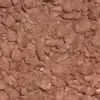
1180 Bag Oak Creek Red Sand & Gravel captures the rugged desert beauty of northern Arizona. This material has a rich reddish tone with natural highlights that instantly transport modelers into the landscapes of the American Southwest. Its grainy texture and desert-inspired coloration make it an ideal choice for anyone aiming to recreate dry washes, railroad sidings, or industrial areas filled with grit and earth.
This product is not a simple powder, but instead a carefully screened sand and gravel mixture. Each particle adds dimension to your model railroad scenery. When used correctly, Oak Creek Red Sand & Gravel provides the perfect foundation for realistic desert layouts, transition zones, or even weathered rail yards. Many modelers choose it to reflect the authentic look of Oak Creek Canyon and other iconic Arizona landscapes, where the natural sandstone layers bleed red and orange into the soil and gravel below.
Why Choose Oak Creek Red Sand & Gravel
Model railroaders have endless scenic materials to choose from, but Oak Creek Red Sand & Gravel stands out because of its natural color, versatility, and realism. Its texture is fine enough to spread easily yet coarse enough to avoid clumping when glued in place.
Unlike artificially dyed products, Oak Creek Red Sand & Gravel retains its natural tones for decades. This means it will not fade into dull shades with time. Another advantage is how it complements many railroad eras. Whether modeling steam-era branch lines or modern industrial yards, this sand and gravel naturally integrates into the scene.
Additionally, its desert-inspired reddish tone adds warmth to a layout. Many model railroaders rely on neutral grays, but a bold earthy color like Oak Creek Red provides depth and contrast, making other scenic details such as ballast, ties, and vegetation stand out. Because of these qualities, it is a favorite for anyone modeling western railroads, desert short lines, or arid regional branches.
Historical Inspiration from Oak Creek Red Sand & Gravel
The inspiration for this product comes directly from Arizona’s Oak Creek Canyon, a stunning stretch of land where the soil and rock formations glow red at sunrise and sunset. Railroads that cut through Arizona and New Mexico frequently traversed landscapes with reddish gravel and sandy soils.
The Santa Fe Railway and later BNSF lines passed through regions where reddish terrain was common. Oak Creek Red Sand & Gravel reflects the exact type of ground cover visible along these routes. By adding it to a layout, modelers capture the atmosphere of southwestern railroad scenes that blended natural desert terrain with human-made rail infrastructure.
Inspiration also comes from the early construction practices of regional railroads. Many short lines and mining roads used whatever sand and gravel was locally available. That often meant reddish earth and gravel taken directly from nearby creek beds. Oak Creek Red Sand & Gravel allows modelers to replicate this history with accuracy.
Applications for Oak Creek Red Sand & Gravel
This product has many uses across model railroads. Most commonly, it serves as trackside gravel. Real railroads often spread sand and gravel alongside tracks to control weeds, stabilize the ground, and provide a clean surface for workers. Using Oak Creek Red Sand & Gravel along your track shoulders adds realism.
It also works as yard fill. Rail yards rarely have perfectly level surfaces. Instead, they often include patches of gravel and dirt that create a gritty, industrial look. Spreading Oak Creek Red Sand & Gravel throughout a switching yard provides depth and authenticity.
Another use is industrial and mining scenes. Desert industries frequently have sandy and gravelly lots, whether for warehouses, smelters, or ore transfer facilities. This product works well for such scenes, providing a believable ground texture.
Finally, it is excellent for scenic washes and dry creek beds. Oak Creek itself is known for its red sandy bottom, and this product recreates that same effect when placed in streambeds on a layout. Modelers often mix it with larger rocks to mimic natural erosion.
How to Apply Oak Creek Red Sand & Gravel
Applying Oak Creek Red Sand & Gravel is straightforward. Begin by preparing your layout base with paint in a similar reddish-brown tone. This ensures that any thin spots remain invisible. Next, spread the sand and gravel with a small spoon, shaker, or sieve to achieve an even layer.
For trackside use, apply the material carefully around the rails with a brush, keeping grains clear of switch points and moving parts. Once the desired coverage is achieved, fix the material with diluted white glue or scenic cement. A common mixture is one part white glue, one part water, and a few drops of dish soap to break surface tension.
Apply this adhesive with a dropper or spray bottle, allowing it to soak through the sand and gravel. Once dry, Oak Creek Red Sand & Gravel hardens into place, creating a durable surface that withstands handling and cleaning.
For washes or scenic fills, consider layering. First, apply a fine dusting of powder for base color, then add Oak Creek Red Sand & Gravel, and finally top with larger rocks. This layering technique creates realism unmatched by single-material coverage.
Blending with Other Materials
While Oak Creek Red Sand & Gravel is striking on its own, blending it with other Arizona Rock products adds even more realism. Mixing with Gray Granite or Empire Builder Basalt can create a contrast between reddish soil and darker ballast. This mirrors real landscapes where multiple geologies intersect.
Another popular blend is pairing Oak Creek Red Sand & Gravel with Sedona Red Powder. The powder fills gaps between grains, producing a seamless ground cover. For desert washes, combining with larger Oak Creek Red Rocks produces a natural look of sand eroded from cliffs.
Many modelers also experiment with vegetation. Static grasses, tufts, and cactus models stand out vividly against the reddish backdrop. Oak Creek Red Sand & Gravel works especially well for desert layouts featuring sparse but dramatic vegetation.
Instructions for Storage and Long-Term Use
To keep Oak Creek Red Sand & Gravel in the best condition, always store it in a sealed container or resealable bag. Exposure to moisture may cause clumping, so a cool, dry environment is best.
Keep stored bags away from direct sunlight. Prolonged UV exposure can weaken plastic packaging, even though the gravel itself will not fade. For long-term projects, many modelers purchase multiple bags at once to ensure consistent results.
Because Oak Creek Red Sand & Gravel is naturally sourced, slight variations between batches are expected. Blending materials from different bags before use not only balances color but also adds realism by mimicking natural diversity in ground cover. When stored properly, this product remains usable for many years.
Tips for Realistic Scenery
For the most realistic results, think about how sand and gravel appear in nature. Rarely do you see perfectly even surfaces. Use Oak Creek Red Sand & Gravel in irregular patches, varying thickness to replicate erosion and wear.
Weathering techniques also enhance realism. A light dusting of chalk powders can make certain areas look sun-bleached. Spraying matte finish after gluing down the material eliminates any accidental shine.
Another effective trick is creating pathways and worn spots. Use a brush or finger to press down a subtle trail through the gravel, simulating foot traffic or tire marks. Combined with figures or vehicles, these details add storytelling elements to your scene.
Scale Compatibility
Oak Creek Red Sand & Gravel works well across multiple scales. In HO scale, it resembles trackside gravel or yard fill. In N scale, it can simulate larger rocks or coarse ground cover. For O scale, it works perfectly as fine yard gravel or industrial fill. In G scale, it appears as fine sand, ideal for desert scenes or large washes.
Because of its natural particle size, the product adapts well regardless of scale. Modelers can sift it further if needed, but most use it directly from the bag. Its flexibility makes it one of the most versatile materials for scenery building.
The Role of Sand & Gravel in Model Railroading
Sand and gravel have always been essential to real railroads. These materials stabilize ground, provide drainage, and create safe working surfaces. Reproducing these features in model form adds authenticity.
On layouts, Oak Creek Red Sand & Gravel fills roles that ballast alone cannot. Ballast secures ties, but sand and gravel create the environment around the tracks. Without them, scenes appear unfinished. By including this material, modelers achieve a complete, professional look.
Sand and gravel also help with transitions. For example, they bridge the visual gap between ballast and surrounding scenery. This transition ensures that tracks blend naturally into the layout rather than appearing isolated.
Conclusion
Oak Creek Red Sand & Gravel is more than just a scenic product. It is a bridge between natural Arizona landscapes and model railroads. Its reddish tone and gritty texture create realism unmatched by artificial substitutes.
Whether applied as trackside gravel, yard fill, or scenic washes, this product brings life to layouts. By storing it properly, blending it with other materials, and applying it with care, modelers can achieve lasting results. Oak Creek Red Sand & Gravel remains a trusted choice for anyone looking to capture the authentic beauty of southwestern railroads.

Reviews
There are no reviews yet